Industrial Drying Solutions

Flash Dryers forHigh-PerformanceIndustrial Drying

Remove moisture in seconds, not hours. Flash dryers deliver rapid, energy-efficient drying for chemicals, food products, minerals, and pharmaceuticals with throughput capacities from pilot scale to 20+ tons per hour.

0.5-5s

Drying Time

50-70%

Thermal Efficiency

20+ t/hr

Max Throughput
What Are Flash Dryers?

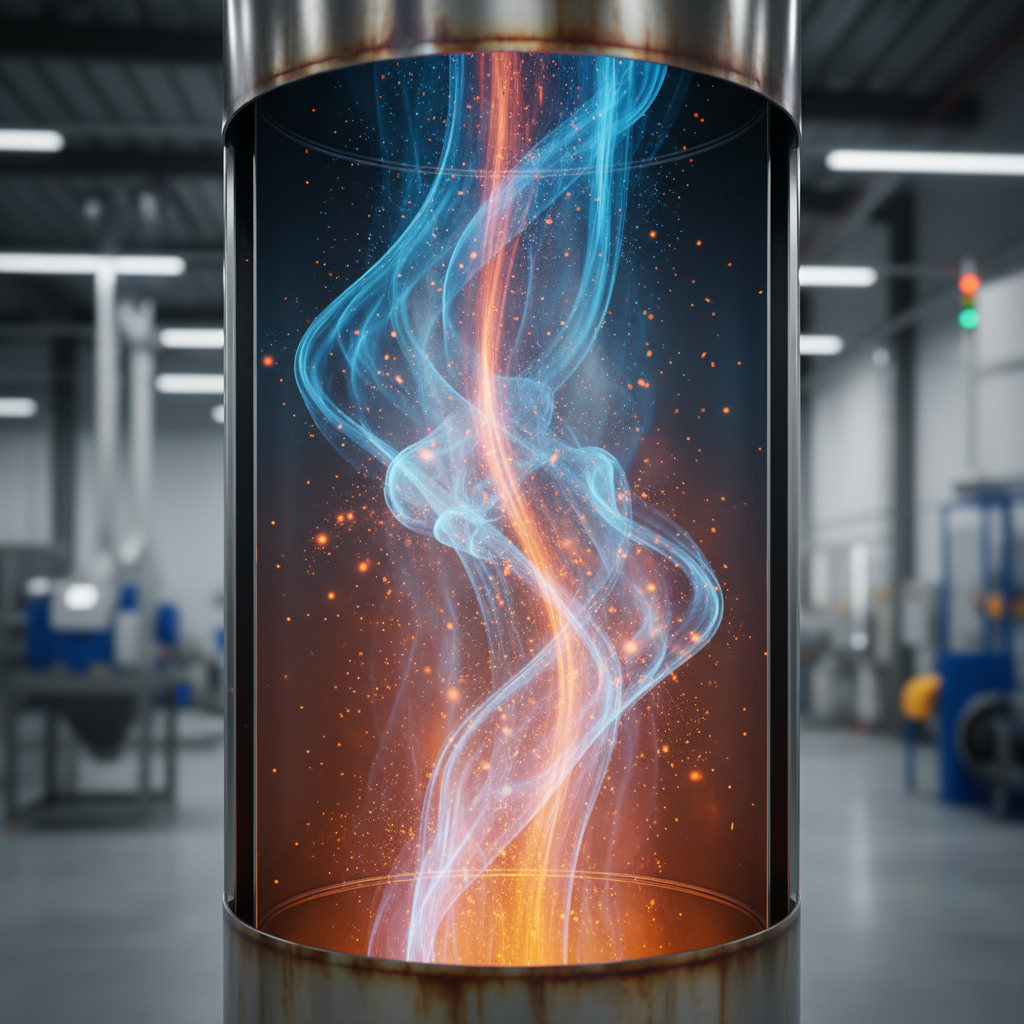
Flash dryers are continuous industrial drying systems that remove moisture from wet solids in a matter of seconds. The process works by dispersing wet material into a high-velocity stream of heated gas, where the enormous surface area of the dispersed particles enables rapid evaporation.

Unlike batch dryers that hold material for minutes or hours, a flash dryer processes material in a single pass through the drying column. Wet feed enters at one end, and dry product exits at the other. The entire residence time is typically between 0.5 and 5 seconds.

This combination of speed, efficiency, and continuous operation has made flash dryers a standard technology across chemical processing, food manufacturing, mining, pharmaceuticals, and environmental treatment. They are particularly well-suited for materials with high surface moisture that can be readily dispersed into a gas stream.

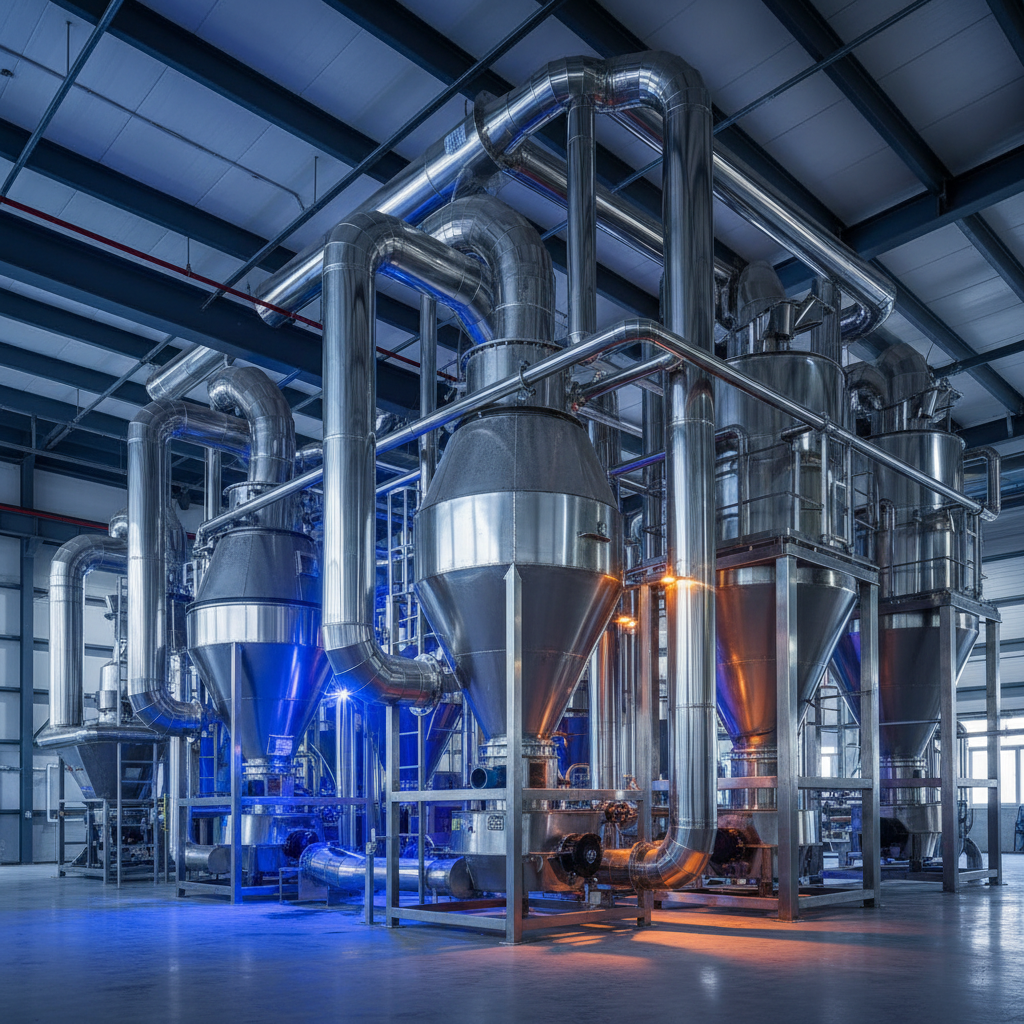
Flash drying process showing material dispersion in heated gas stream

Types of Flash Dryers

Different materials and moisture characteristics demand different approaches to flash drying. These are the four primary configurations used in industrial applications.

Pneumatic Flash Dryers

Pneumatic Flash Dryers

The most widely used configuration. Wet material is dispersed into a high-velocity hot air stream inside a vertical duct. Moisture evaporates in seconds as particles travel upward through the drying column. Ideal for free-flowing powders and granular materials with surface moisture.

Common Applications

Starch, clay, pigments, mineral concentrates, filter cakes

Spin Flash Dryers

Spin Flash Dryers

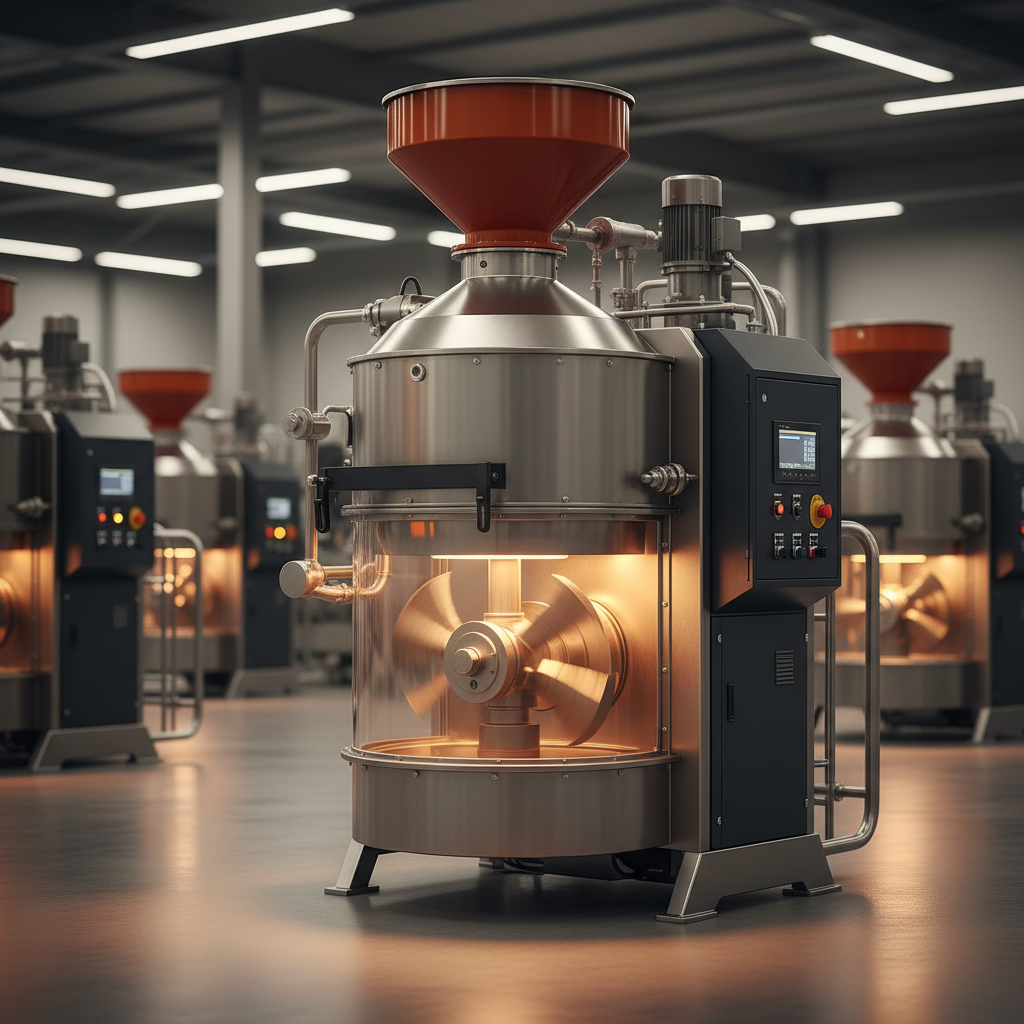
Combines mechanical agitation with flash drying. A rotating agitator at the base of the drying chamber breaks up wet feed and exposes fresh surfaces to the hot gas stream. Particularly effective for sticky, cohesive, or pasty materials that resist dispersion in conventional flash dryers.

Common Applications

Sludge, pastes, high-moisture cakes, adhesive compounds

Ring Flash Dryers

Ring Flash Dryers

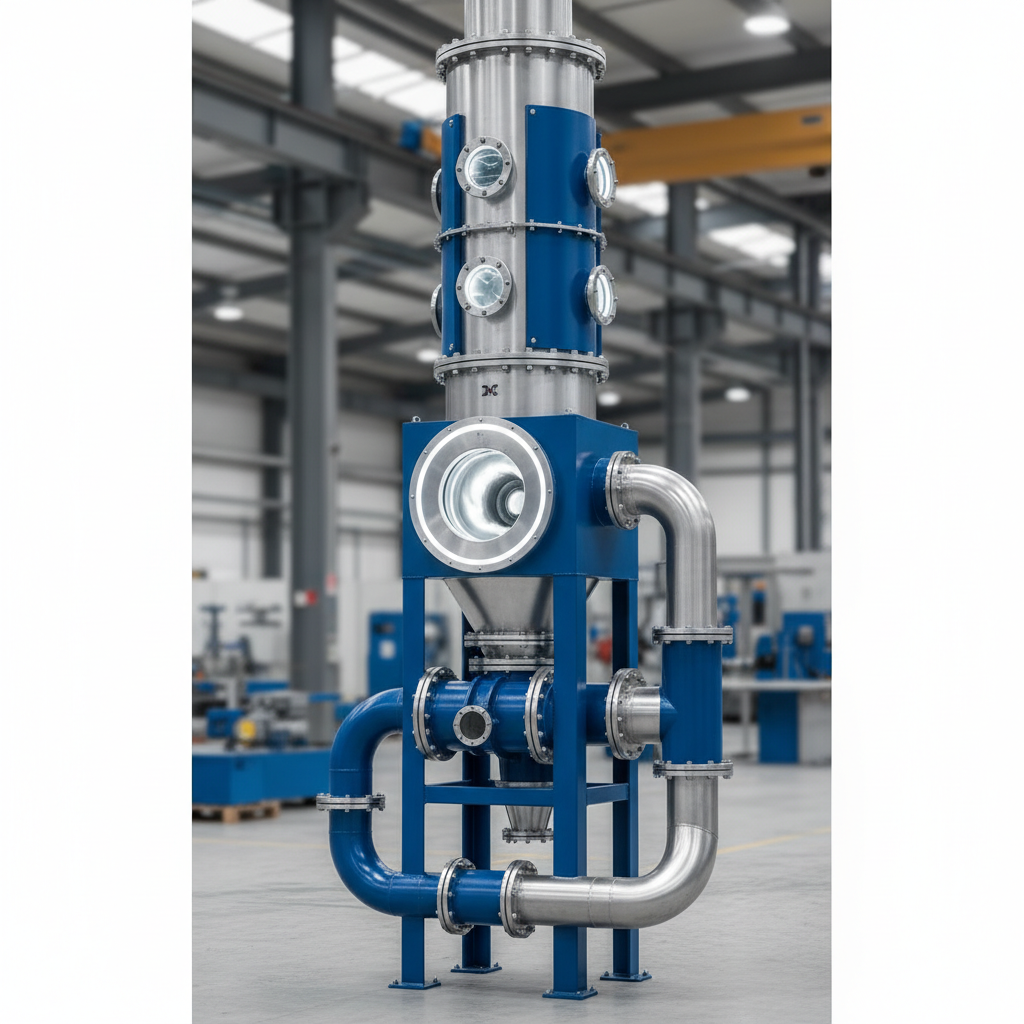
Features a manifold classifier that recirculates larger or wetter particles back through the drying zone while allowing sufficiently dried material to exit. Delivers tighter moisture control and more uniform particle size distribution than standard pneumatic designs.

Common Applications

Kaolin, calcium carbonate, titanium dioxide, specialty chemicals

Cage Mill Flash Dryers

Cage Mill Flash Dryers

Integrates a cage mill or hammer mill directly into the flash drying circuit. Simultaneously reduces particle size and removes moisture, eliminating the need for a separate grinding step. Reduces capital costs and floor space for operations that require both drying and size reduction.

Common Applications

Coal fines, ore concentrates, recycled materials, biomass

How Flash Drying Works

The flash drying process converts wet feed into dry product through five integrated stages, all operating continuously.

01

Feed Preparation

Wet material from upstream processing (filtration, centrifugation, or mixing) enters the flash dryer feed system. A screw feeder or rotary valve meters the material at a controlled rate into the drying chamber.

02

Hot Gas Generation

A furnace, burner, or heat exchanger produces hot gas at the required inlet temperature. The gas can be heated by natural gas, steam, thermal oil, or electric elements depending on the installation and available utilities.

03

Dispersion & Drying

The wet feed meets the high-velocity hot gas stream at the base of the drying duct. The material disperses into fine particles, massively increasing surface area. Moisture evaporates within 0.5 to 5 seconds as particles travel through the drying column.

04

Separation & Collection

The dried product separates from the gas stream in cyclone separators and/or bag filters. Fine particles are captured with high efficiency. The dried product discharges to packaging, storage, or downstream processing.

05

Exhaust Treatment

The exhaust gas passes through final filtration and, if required, scrubbing before release. Heat recovery systems can capture thermal energy from the exhaust to pre-heat incoming air, reducing fuel consumption by 10 to 20%.

Why Choose Flash Drying

Flash dryers deliver measurable advantages in speed, efficiency, footprint, and product quality over conventional drying technologies.

Rapid Drying Times

Flash dryers evaporate moisture in 0.5 to 5 seconds. The extremely short residence time means higher throughput rates and smaller equipment footprint compared to rotary or tray dryers.

Energy Efficient

Direct contact between hot gas and wet material maximizes heat transfer. Thermal efficiencies of 50 to 70% are typical, and waste heat recovery can push effective efficiency even higher.

Compact Footprint

Vertical orientation and rapid processing mean flash dryers occupy a fraction of the floor space required by drum, belt, or fluid bed dryers with equivalent throughput capacity.

Preserves Product Quality

Short exposure to high temperatures protects heat-sensitive materials. The product temperature stays well below the gas inlet temperature because evaporative cooling absorbs most of the thermal energy.

Continuous Operation

Flash dryers run as continuous-flow systems with no batch loading or unloading cycles. Material feeds in, dried product comes out. This simplifies integration with upstream and downstream processing equipment.

Low Maintenance

With few moving parts beyond the feed mechanism and fans, flash dryers require less maintenance than mechanical dryers. No belts, trays, or rotating drums to service or replace.

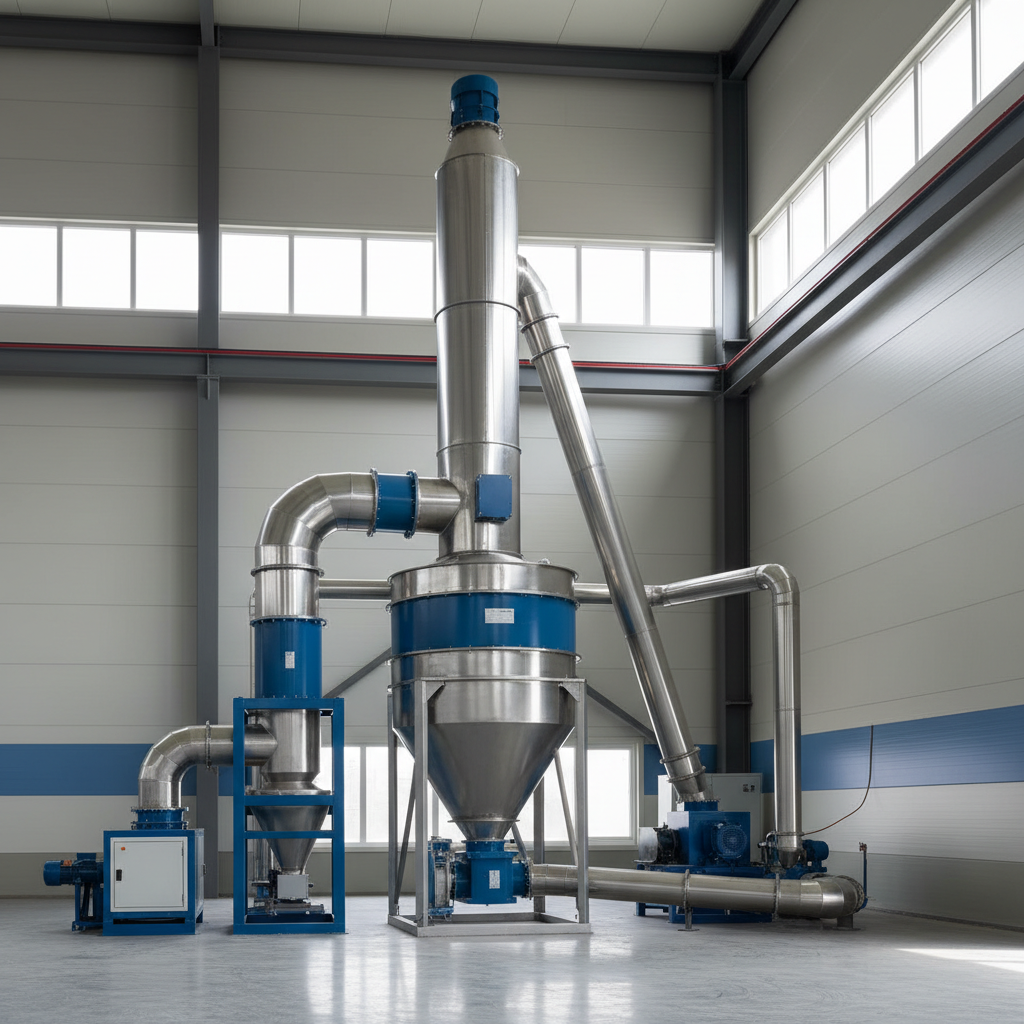
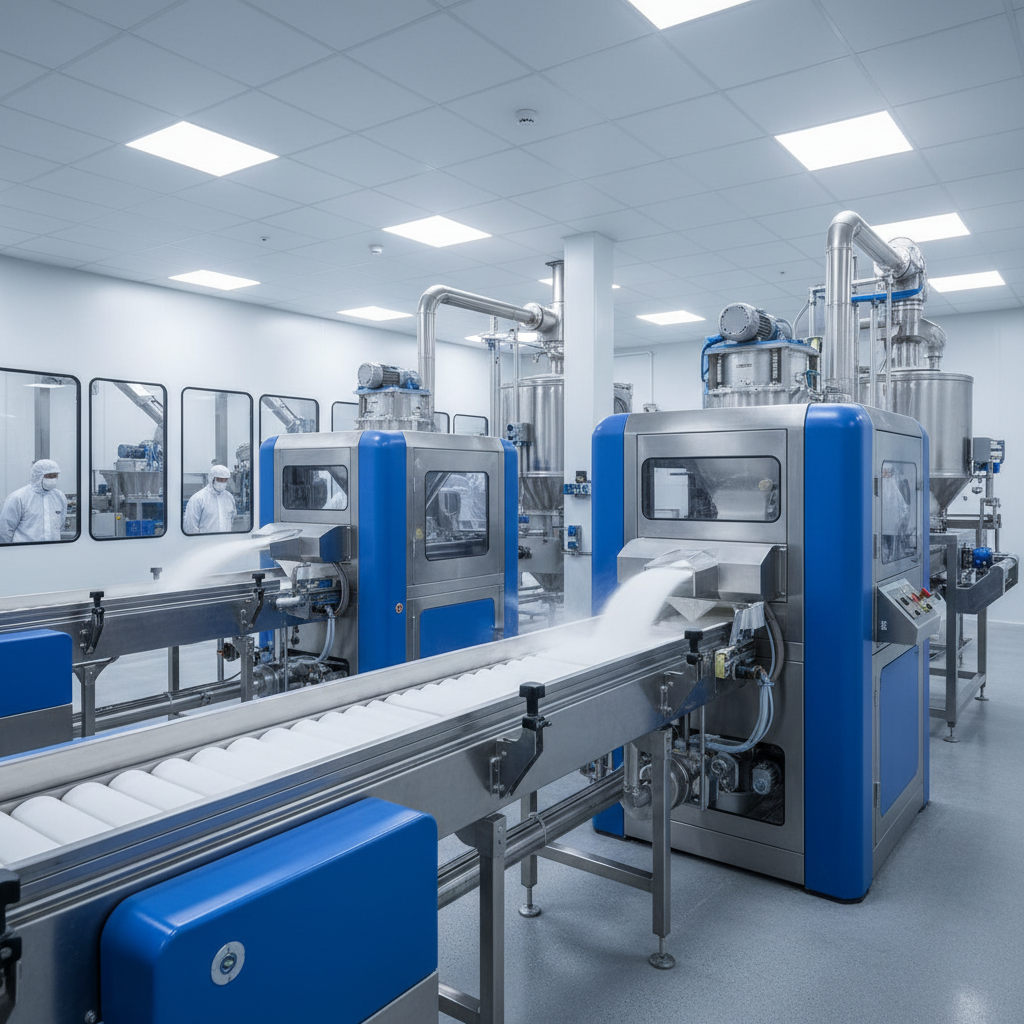
Industrial powder processing and drying facility

Drying Solutions for Every Industry

Flash dryers process thousands of different materials worldwide. Whether you are drying food-grade starch, pharmaceutical intermediates, or industrial mineral concentrates, the right flash dryer configuration exists for your application.

110+

Monthly Searches

$1.02

Avg CPC

3

Active Advertisers

Industries We Serve

Flash drying technology is deployed across dozens of industries. These are the sectors where flash dryers deliver the most impact.

๐Ÿงช

Chemical Processing

Pigments, catalysts, agrochemicals, organic and inorganic salts, polymer powders

๐ŸŒพ

Food & Beverage

Starch, flour, protein isolates, yeast, distiller's grains, food-grade additives

โ›๏ธ

Mining & Minerals

Kaolin, calcium carbonate, silica, limestone, gypsum, mineral concentrates

๐Ÿ’Š

Pharmaceuticals

Active pharmaceutical ingredients, excipients, intermediates, nutraceuticals

๐Ÿ“„

Pulp & Paper

Wood pulp, cellulose fibers, paper sludge, recycled fiber

โ™ป๏ธ

Environmental & Waste

Sewage sludge, industrial effluent solids, biomass, recycled aggregates

Frequently Asked Questions

Common questions about flash drying technology, equipment, and applications.

What is a flash dryer and how does it differ from other industrial dryers?

A flash dryer is a continuous industrial drying system that removes moisture from wet materials in seconds by dispersing them into a high-velocity stream of hot gas. Unlike rotary dryers (which tumble material in a rotating drum for 15 to 60 minutes) or tray dryers (which hold material stationary on heated shelves for hours), flash dryers achieve drying in 0.5 to 5 seconds of contact time. This makes them significantly more compact and energy-efficient for materials that have primarily surface moisture.

What materials can be dried with a flash dryer?

Flash dryers handle a wide range of materials including filter cakes, centrifuge cakes, pastes, slurries, and granular solids. Common materials include starch, clay, pigments, mineral concentrates, chemical intermediates, food ingredients, and pharmaceutical compounds. The primary requirement is that the material can be dispersed into small particles in a hot gas stream. Materials with very high internal moisture or those that form extremely sticky masses may need a spin flash dryer configuration with mechanical agitation.

What inlet temperatures do flash dryers operate at?

Inlet gas temperatures typically range from 150C to 650C (300F to 1,200F) depending on the material and moisture load. Despite these high inlet temperatures, the actual product temperature remains much lower (often 50C to 100C) because evaporative cooling absorbs most of the thermal energy. This makes flash dryers suitable for many heat-sensitive materials. The outlet temperature, which more closely reflects the product temperature, typically ranges from 60C to 120C.

How much does a flash dryer system cost?

Flash dryer system costs vary widely based on capacity, materials of construction, and configuration. Small pilot-scale units may start around $50,000 to $100,000, while production-scale systems typically range from $200,000 to over $1 million for large installations. Factors that increase cost include stainless steel or special alloy construction, explosion-proof ratings, integrated milling, heat recovery systems, and advanced controls. Operating costs are generally lower than alternative dryer types due to high thermal efficiency and minimal maintenance requirements.

What is the difference between a pneumatic flash dryer and a spin flash dryer?

A pneumatic flash dryer uses only the hot gas stream to disperse and transport material through a vertical drying duct. It works best with free-flowing powders and granular materials that break apart easily. A spin flash dryer adds a rotating agitator at the base of the drying chamber to mechanically break up wet feed before it enters the gas stream. This makes spin flash dryers more effective for sticky, cohesive, or pasty materials like sludge and thick filter cakes that would otherwise clump in a standard pneumatic dryer.

What throughput rates can flash dryers achieve?

Flash dryer throughput depends on the moisture content, heat sensitivity, and physical properties of the material being processed. Small units may handle 100 to 500 kg/hr of evaporated moisture, while large industrial flash dryers can evaporate 5,000 to 20,000+ kg/hr. Because drying happens in seconds, the limiting factor is usually the feed system capacity and the size of the air handling and dust collection equipment rather than the drying chamber itself.

How energy-efficient are flash dryers compared to other drying methods?

Flash dryers typically achieve thermal efficiencies of 50 to 70%, which is competitive with or better than most alternative drying technologies for comparable materials. Direct contact between the hot gas and wet particles maximizes heat transfer. Energy consumption typically ranges from 800 to 1,200 kcal per kg of water evaporated. Adding heat recovery systems to capture energy from the exhaust gas can improve effective efficiency by 10 to 20%. For materials with primarily surface moisture, flash dryers are generally the most energy-efficient option available.

Do flash dryers require explosion protection for combustible dust?

Yes, many materials processed in flash dryers can form combustible dust clouds. NFPA 652 and ATEX regulations may require a dust hazard analysis (DHA). Depending on the material's explosibility characteristics, protection measures may include explosion venting, suppression systems, inerting with nitrogen gas, or proper grounding and bonding. Flash dryer manufacturers typically offer explosion-proof configurations as standard options for industries where combustible dust is a known risk.

Get a Custom Flash Drying Solution

Every drying application is different. Tell us about your material, moisture requirements, and production goals, and our team will recommend the right flash dryer configuration for your operation.

Application Assessment

We evaluate your material properties, moisture content, throughput needs, and downstream requirements to recommend the optimal dryer type.

Pilot Testing

For new materials or applications, pilot-scale testing confirms performance parameters before committing to full-scale equipment.

Turnkey Installation

Complete system design, fabrication, installation, commissioning, and operator training. One point of contact from concept to production.

Request a Consultation